Introduction
A lift is like the silent backbone of any building. Nobody notices it when it works… but the moment it stops, chaos enters like an uninvited guest.
Lift interruptions are not random events. They are usually signals—small warnings before bigger failures. Understanding the root causes can save downtime, money, and frustration.
Let’s break down the most common causes and their practical solutions.
1. Power Supply Failure
Cause
Unstable or interrupted power supply is the most common reason for lift failure. Voltage fluctuations, outages, or poor wiring can instantly stop lift operation.
Solution
- Install Automatic Rescue Device (ARD)
- Use UPS or backup generator
- Ensure proper earthing and voltage stabilizers
2. Door Sensor Malfunction
Cause
Lift doors rely on sensors to detect obstacles. Dust, misalignment, or sensor damage can prevent doors from closing.
Solution
- Clean sensors regularly
- Check alignment
- Replace faulty infrared sensors
3. Overloading
Cause
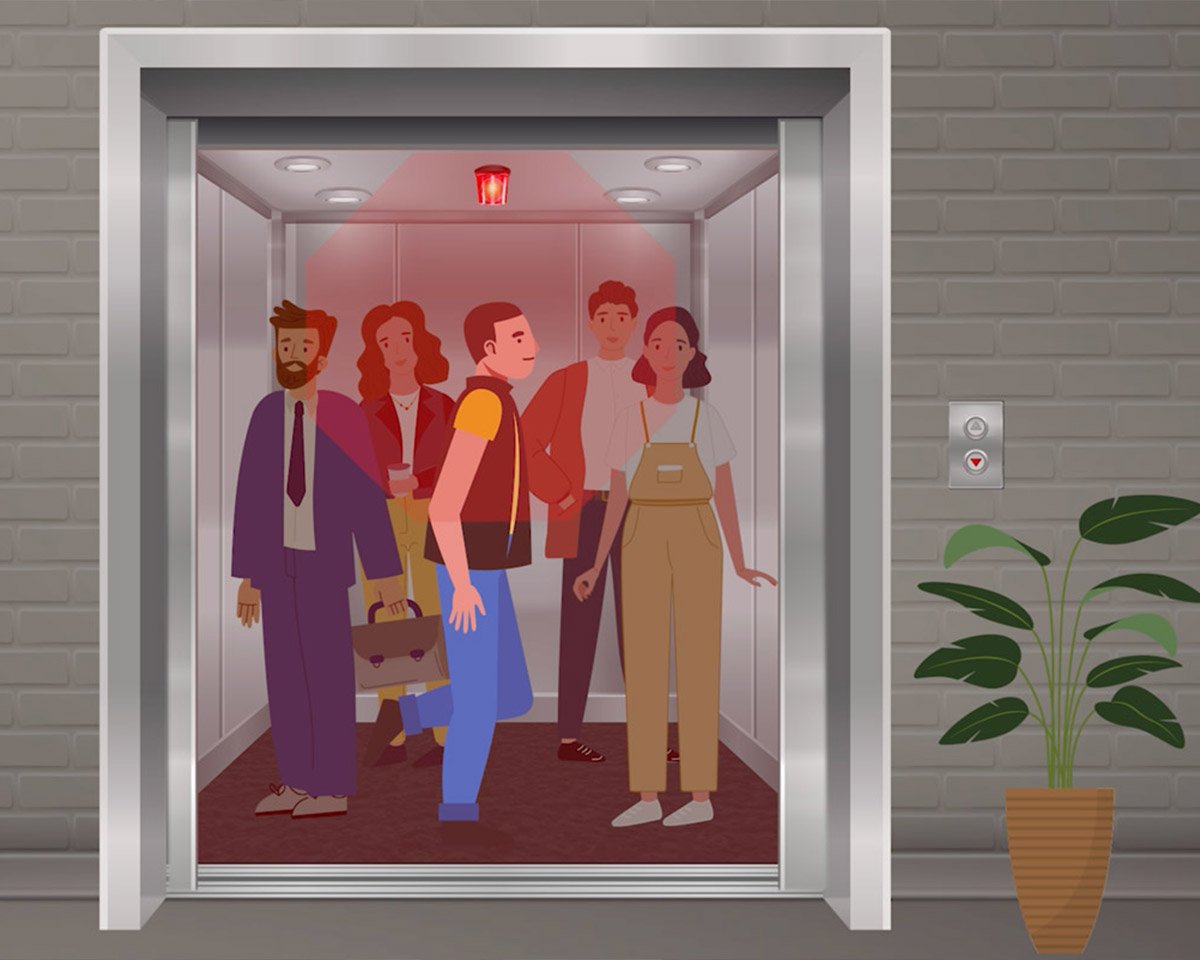
Every lift has a load limit. Exceeding it triggers safety systems and stops operation.
Solution
- Install overload warning systems
- Display load capacity clearly
- Educate users
4. Control Panel Faults
Cause
The control panel is the brain of the lift. Faulty circuits, relay issues, or software glitches can halt the system.
Solution
- Regular inspection of control boards
- Use surge protection devices
- Upgrade outdated controllers
5. Mechanical Wear and Tear
Cause
Continuous use leads to wear in cables, pulleys, and motors.
Solution
- Schedule preventive maintenance
- Replace worn-out components on time
- Lubricate moving parts
6. Improper Maintenance
Cause
Skipping routine servicing leads to unnoticed issues that grow into major failures.
Solution
- Follow AMC (Annual Maintenance Contract)
- Maintain service logs
- Conduct periodic safety audits
7. Emergency Stop Activation
Cause
Sometimes users press emergency stop buttons accidentally or during panic.
Solution
- Proper labeling of emergency controls
- User awareness
- Reset protocols by trained staff
Conclusion
Lift interruptions are rarely “sudden.” They are usually predictable and preventable.
Think of a lift like a heartbeat of a building. Regular care keeps it steady. Ignore it—and the entire system feels the shock.
By identifying these common causes and applying the right solutions, you can ensure smooth, safe, and uninterrupted lift operation.